How to Eat More Protein Without Shakes or Supplements
Protein sells.
But what if I told you you’re probably already getting enough of it—even without all the commercial high-protein products the media tell us we need?
It’s true though: a balanced diet provides plenty of protein without shakes or supplements.
The question is not ‘do we need protein?’ but rather, ‘how much do we need, and how do we make sure we meet our body’s needs?’
And, although online advice might make you think otherwise, we don’t actually need:
- The energy of a racing horse
- A big fat bank account
- Perfect digestion
- Plenty of time to cook
- An unbridled enthusiasm for supplements
As spoonies, we need a far simpler approach. One that respects our mental, physical, and financial limitations.
Protein Shakes Aren’t the Only Option
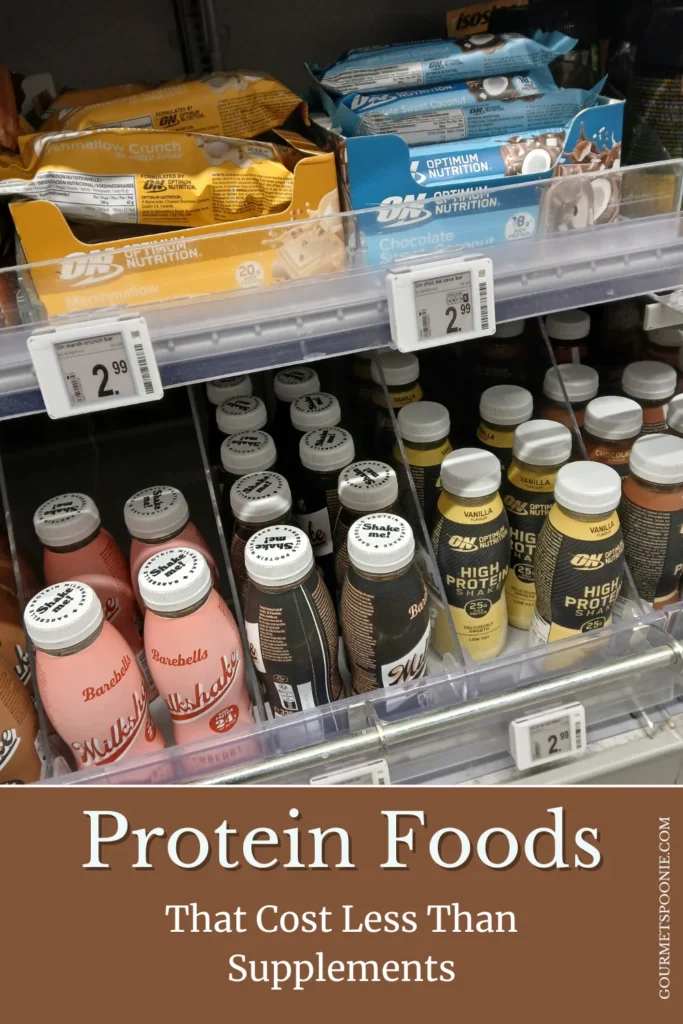
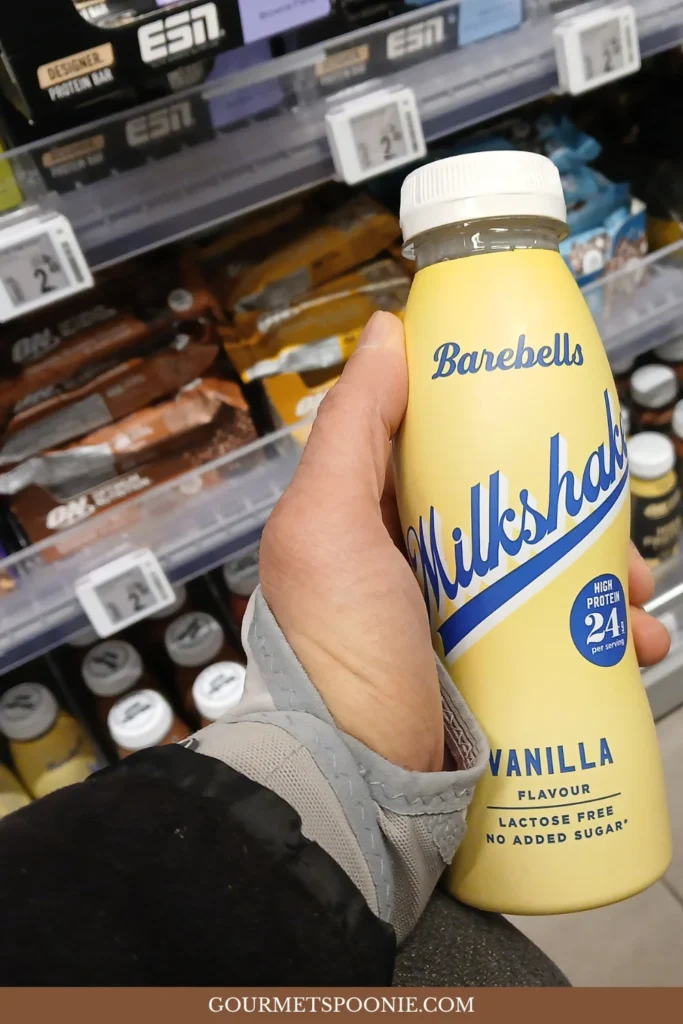
Expensive as hell, and in my admittedly rather dated experience (we’re talking the late nineties here) with the taste of chemically flavoured cardboard, protein shakes are a last resort, rather than a staple.
While really useful when e.g. you are underweight and need to put on some weight fast, or when you’re recovering from a major health-setback, I would never voluntarily drink them. That’s how much I hate them.
Protein shakes and powders are supplements. Tools, to be used when all else fails. Because why would you spend a lot of money enriching the business moguls behind the protein hype, when you could be feeding yourself in a way that makes those supplements redundant?
Even when you’re on a 100% plant-based diet, dealing with disability, brain fog, chronic pain and fatigue, and forever trying to make ends meet.
Easy Protein Sources for Spoonies
Getting enough protein doesn’t have to be hard. And, in fact, most people already get more protein than they need. That said, as Spoonies, we might need more protein than the average, healthy person.
So let’s see how we can make this happen. Even on our worst days.
No prep protein foods
These are protein-rich foods you can eat without having to do anything more strenuous than opening the packaging—which can sometimes already be a struggle in its own right. So let’s not make things harder than they need to be.
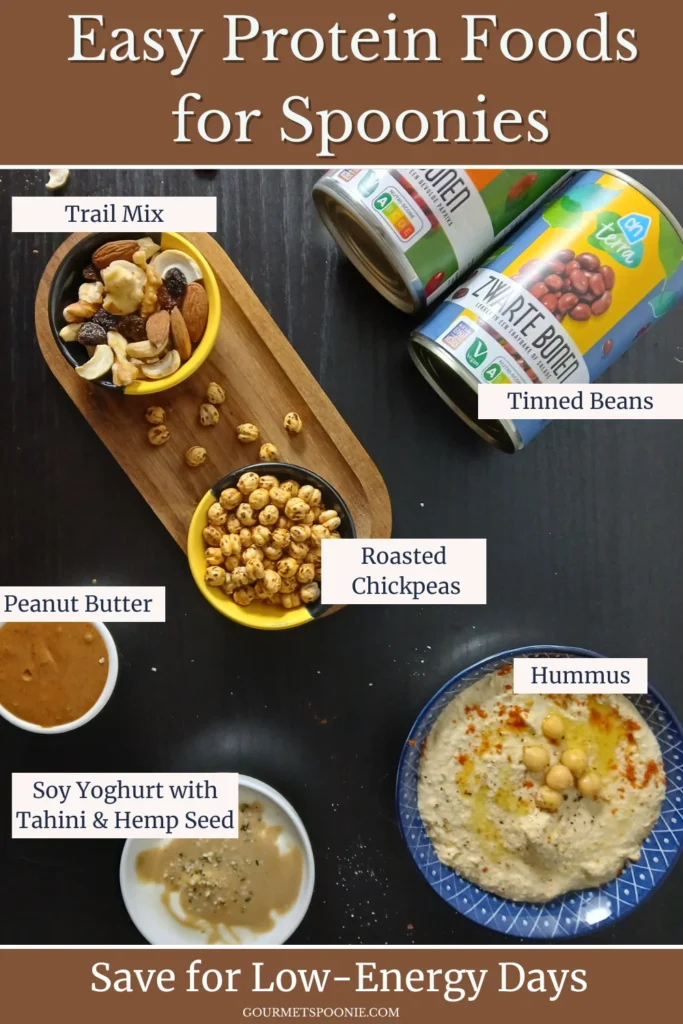
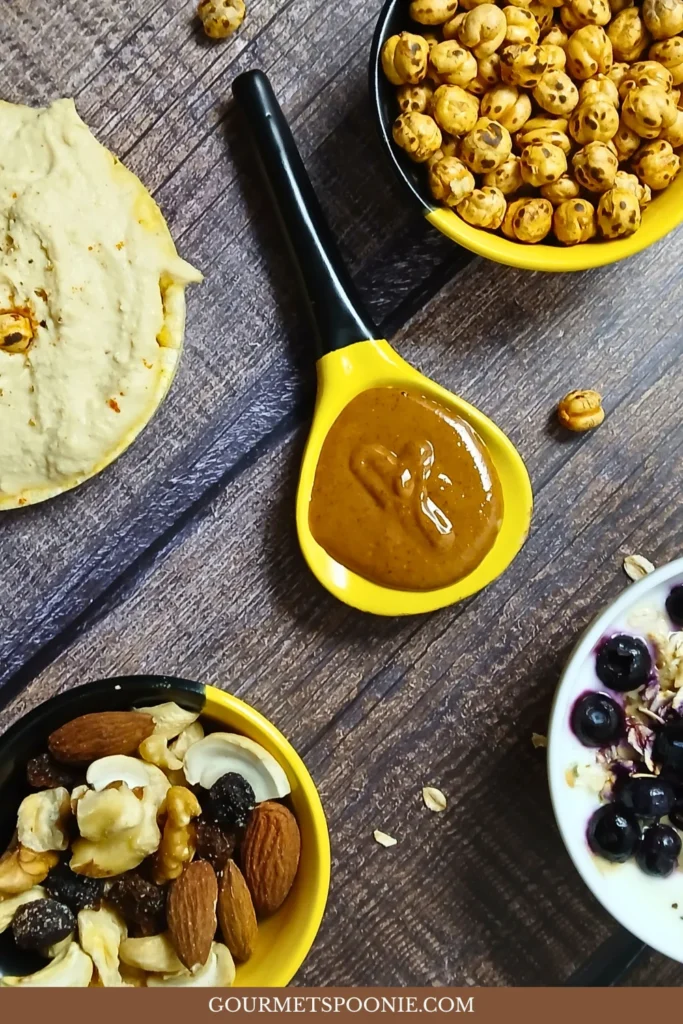
- Nuts and nut butters (yes, eating peanut butter by the spoonful is totally legit.)
- Roasted chickpeas
- Soy yoghurt
- Hummus (store-bought is fine.)
- Edamame
- Tinned or frozen beans
- Trail mix
- Protein-rich plant milks
Minimal prep options
Got enough spoons to spend five minutes doing some light prep? The options below take less than that. They’re basically assemble-and-eat. And a little more satisfying than the no prep options listed above.
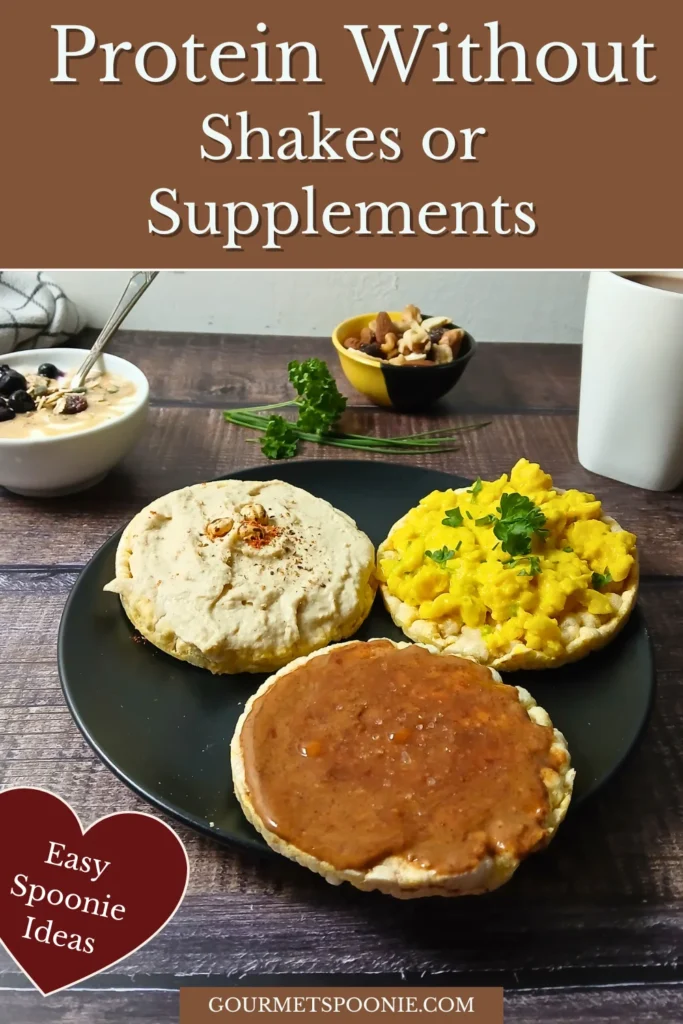
- Crackers with peanut butter
- Toast with hummus
- Beans on toast
- Yoghurt with muesli
- Dutch vlaflip or similar layered dessert
- Grilled cheese sandwich (use a protein-rich vegan cheese)
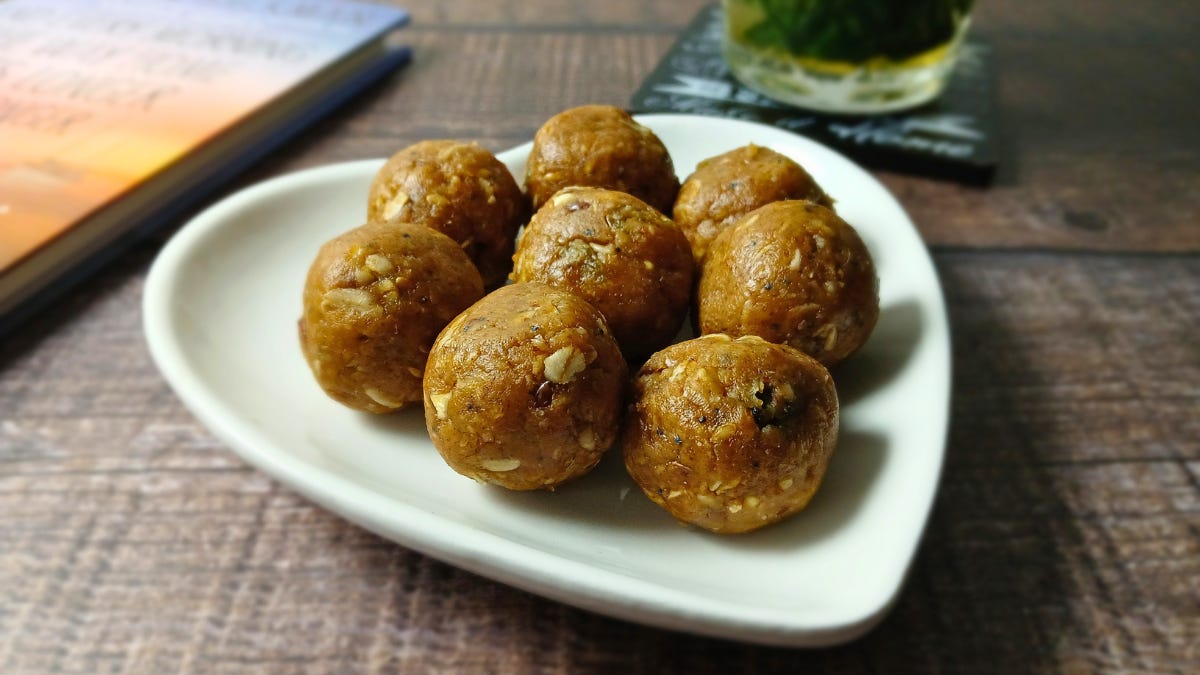
- Oat protein bites

Protein for Future You
The options below are great when you’ve got some spoons to spare. Prep them when you have the energy and Future You will be spoilt for choice.
- Slow cooker lentil soup
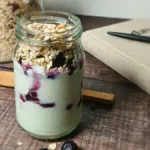
- Muesli and yoghurt parfait (made in advance)
- Chickpea-cherry brownies
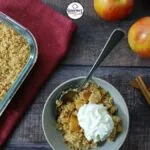
- High-protein apple crumble
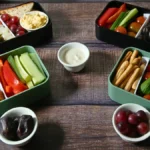
- Healthy Lunchables (just add more plant-based protein)
- Cook up a batch of dried beans in the Instant Pot.
- Prep white bean cream cheese
- High-protein vegan eggsalad

Ways to Add Protein to Meals You Already Eat
Should you eat more protein?
Probably not. But… in case you worry about not getting enough, here are some simple ways to add more protein to the meal you already eat anyway. Because we don’t need to meal prep like a gym bro.
Well, unless you actually are one, but I personally don’t know any Spoonie gym bros, so there’s that.
Anyway.
Making toast or a sandwich? Skip the mayo and use hummus or another bean spread instead. Just as tasty, but with more protein. Keeps you fuller for longer.
Having yoghurt with muesli or granola for breakfast? Add in a spoonful of tahini and/or sprinkle with some hemp seeds. It could hardly be easier, but I promise you won’t be hungry before lunch.
You can do the same with oat porridge which, by the way, will give you more staying power if you use soy milk instead of most other plant milk alternatives. Also, peanut butter instead of tahini works really well here too. They’re both easy sources of protein.
Which reminds me… if you enjoy peanut butter and banana sandwiches (I hate that combination), you could easily upgrade those with a sprinkle of hemp seed or some finely chopped nuts.
If you like soup, there are several ways to add protein to that as well. Pasta e Fagioli is a classic example, but it doesn’t stop with just adding beans to soup.
You can also blend them in for a creamy, protein-rich soup. I do this all the time: Just blend in some white beans. Invisible, no impact on taste… just a nice, creamy texture and a secret protein boost.
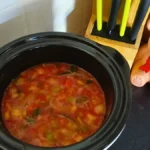
Or you could blend lentils into your soup, like I did with my slow cooker pumpkin soup.

Pasta is another staple you can upgrade to a protein-rich dish in several ways. The easiest is perhaps to buy a legume-based pasta. While more expensive than corn-based gluten-free pasta, the extra protein content might be worth the money.
But that’s not the only way. Simply throwing in some legumes, like I did with my creamy pasta with chickpeas and spinach works equally well.
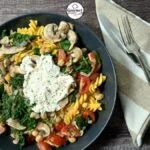
And, last but not least, mashed potatoes. Just add in a spoonful of soy yoghurt, a protein-rich plant-based cream cheese, or… you guessed it: white beans. Works like a charm.
Protein Without Gym Bro Meal Prep
You don’t need to become a gym bro. Or a young, wealthy suburban career chick to make this work. Eating a protein-rich diet doesn’t have to mean eating dry chicken breast seven days a week or spending a small fortune on protein shakes and powders.
A protein-rich diet can be accessible, even for Spoonies on a gluten-free, plant-based diet managing a multitude of allergies. Despite chronic pain, fatigue, and other health issues weighing us down.
It doesn’t need to be expensive or complicated. We don’t need perfection. A few reliable ways to get enough protein into our daily meals will help you get there.
Fed is gourmet enough.
Disclaimer
I’m not a dietitian. Any nutritional information shared here reflects personal experience and general food knowledge, not professional dietary advice. If you have concerns about your nutritional needs, please consult a qualified healthcare professional.
Frequently Asked Questions About Protein Without Shakes or Supplements
Yes. While protein shakes can be useful in some situations, most people can get enough protein by eating a balanced diet. Beans, lentils, soy products, nuts, and seeds are great sources of plant-based protein
There are many high-protein foods that don’t require a lot of effort. For example: hummus, soy yoghurt, nut butters, roasted chickpeas, trail mix, and lentil soup or dhal. But honestly, the best option is usually the one you can actually prepare and eat consistently.
This is something the meat industry would like us to believe, but that doesn’t make it true. Plant-based foods like beans, lentils, tofu, soy yoghurt, nuts, seeds, and legumes all contain protein. If you eat a variety of plant-based foods throughout the week, you are likely already getting enough.
Sometimes. Certain disabilities, chronic illnesses, injuries, or recovery periods can increase protein needs. Appetite problems, digestive issues, fatigue, and limited cooking ability can also make it harder to eat enough consistently.
Want more Spoonie-friendly recipes and kitchen tips?
Sign up for the newsletter and get them delivered straight to your inbox.
Enjoyed this Post? Pin it!